Packing for a safari
Packing for a safari
Packing for your first safari: What I learned
One of the things I found most daunting about my first safari was working out what to pack.
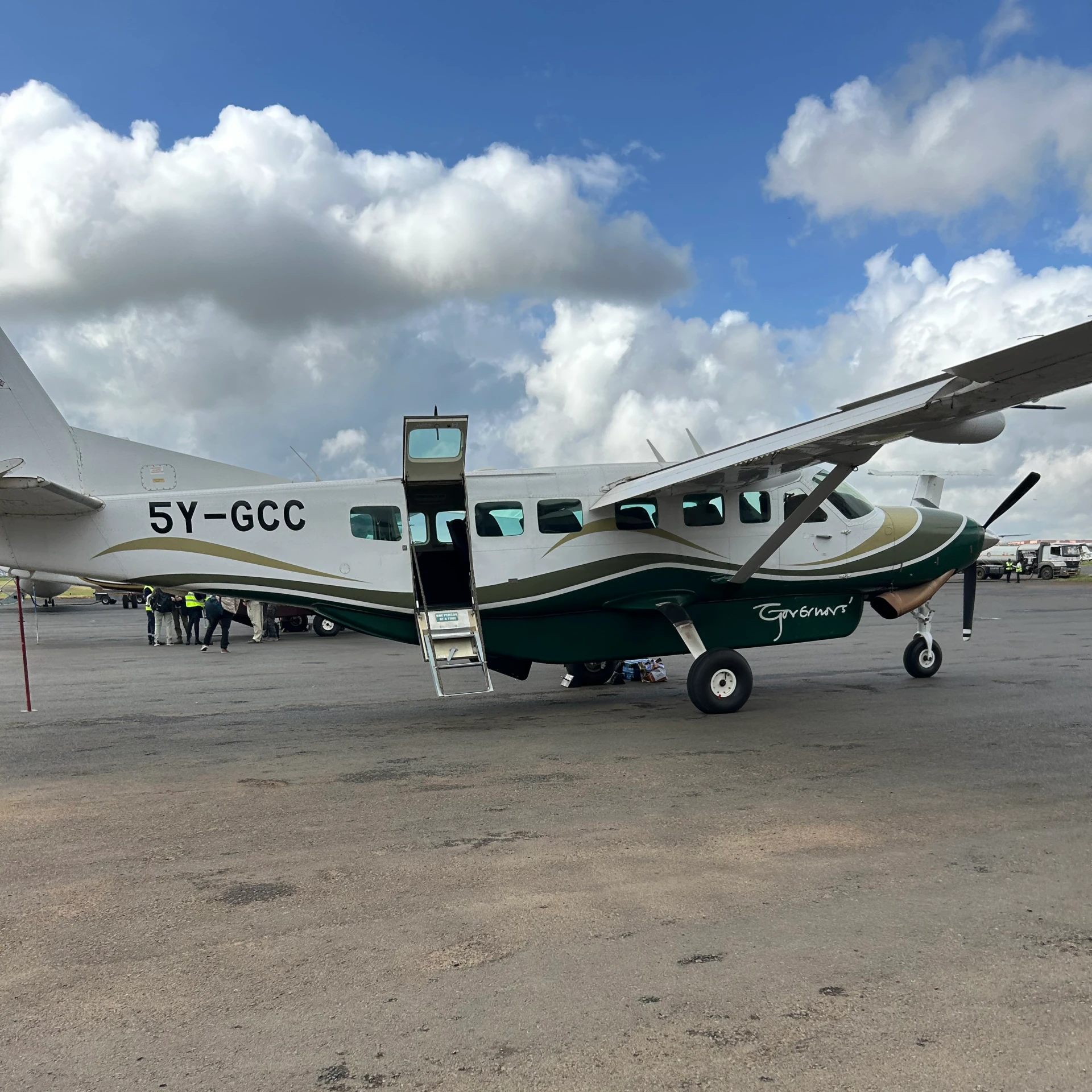
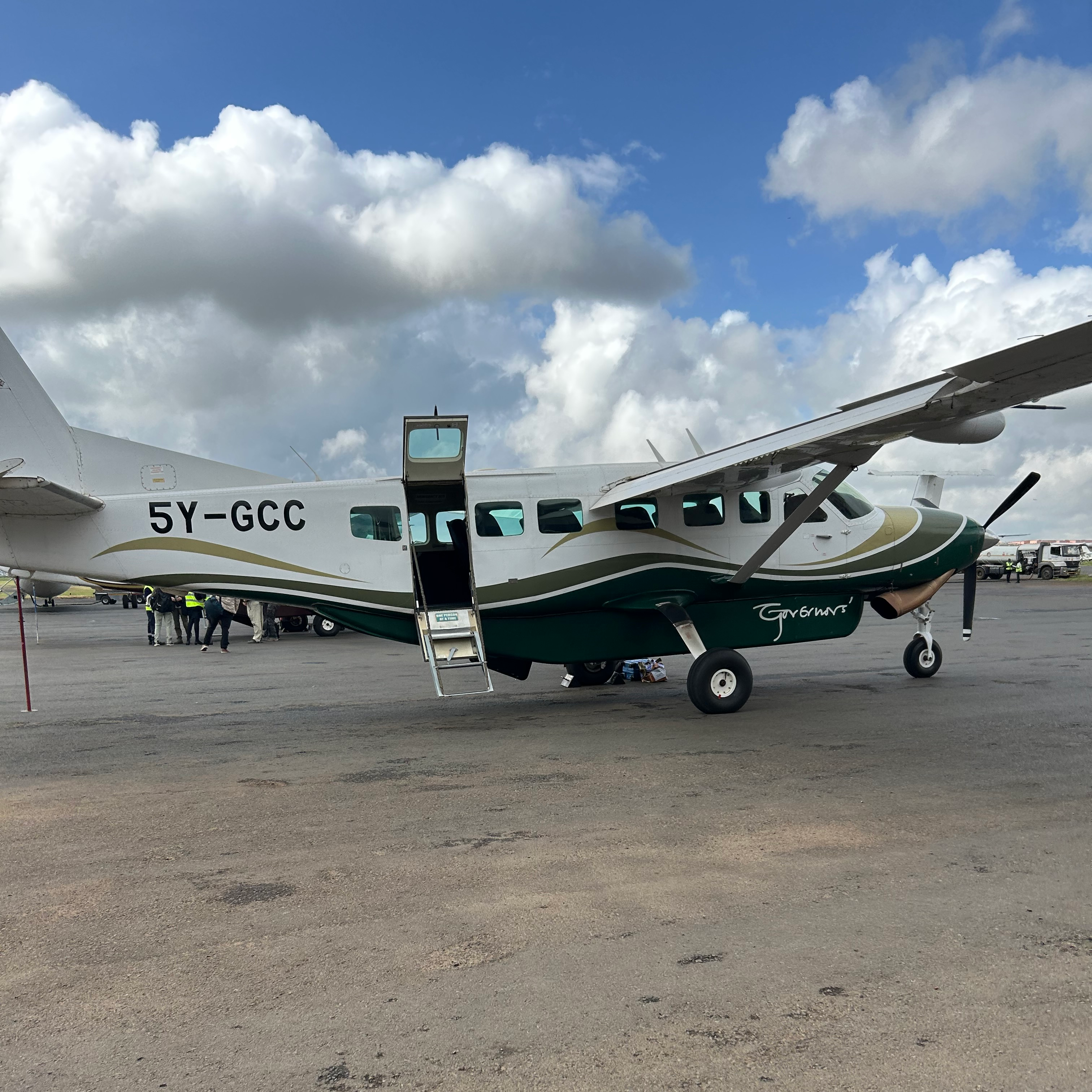
You might have a 23kg luggage allowance with the airline that gets you to Kenya, but the bush flights to your camp are a different story. These are often much more restricted, and in my case I could only take 15kg in total, including hand luggage. That had to be in a soft-sided bag with no wheels.
Why should that be daunting, you might wonder?
Well, as a photographer, my camera bag weighs 7.5kg by itself! That doesn‘t leave me with a lot for a week‘s worth of clothes. I‘m either a chronic overpacker or an underpacker; I never seem to get it quite right, but there's not much room for error when half your allowance is taken up by camera equipment.
Don't buy a whole new wardrobe.
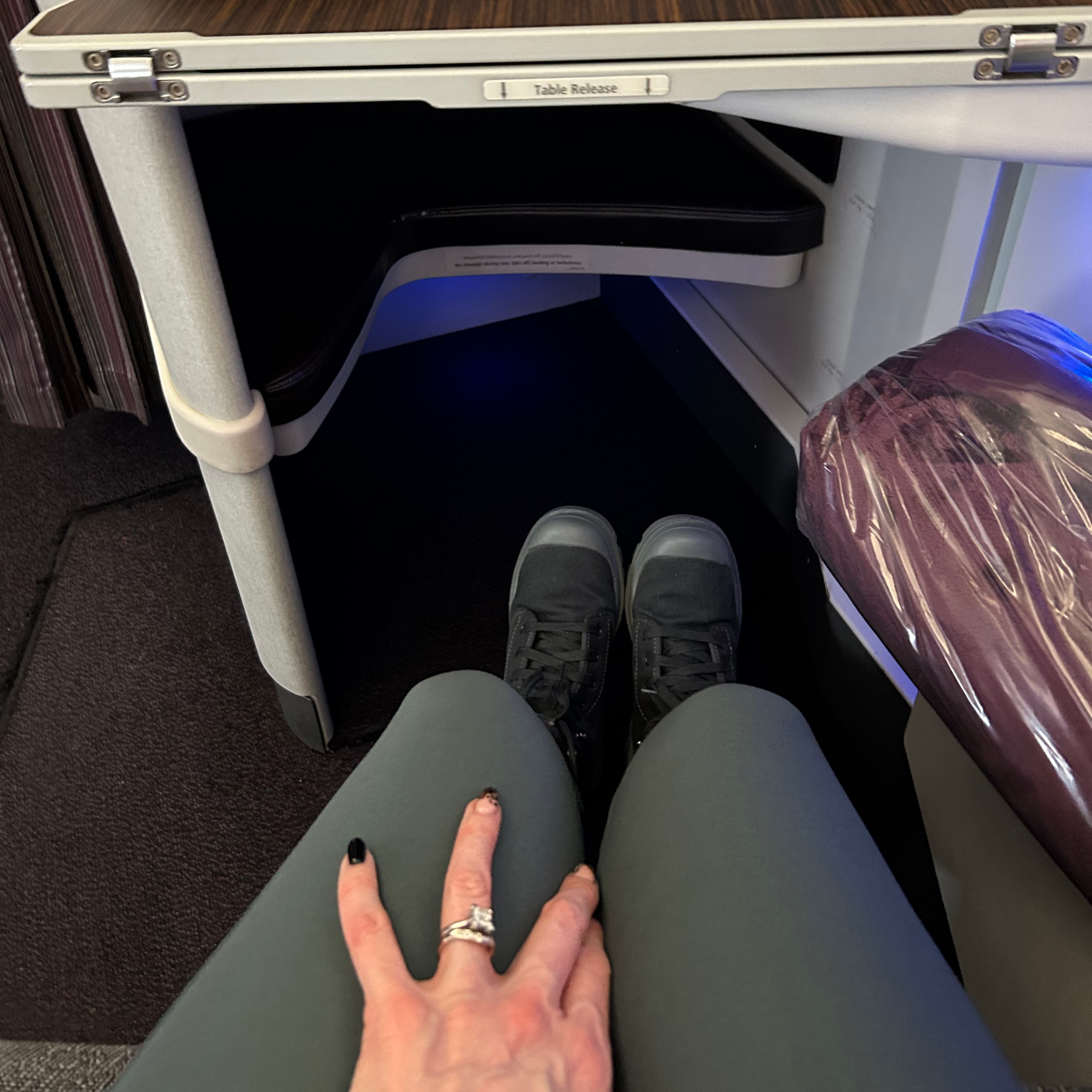
One thing I was conscious of was not buying brand-new clothes for a single trip, so I did a bit of shopping on Vinted. I managed to find some great lightweight safari boots (shown in the picture; I wore these on the flight), but I also ended up with a pile of walking trousers that were either too short or too tight!
If you want to go down that route, I'd recommend sticking to brands you already know so you have a better idea of how their sizing works.
You don't need to be decked out in khaki 24/7, but light, neutral colours are a good choice. It's generally best to avoid black and dark blue in areas where tsetse flies are present.
Think about what you actually need.
• Hairdryer: Check whether your camp provides one. Many do, so it's one of the first things you might be able to leave at home. There's no guarantee it'll be as good as your own, though! I actually found the stand-up fan did a better job of drying my hair than the hairdryer!
• Laundry: Check whether your camp offers a laundry service. This is a gamechanger and means you can rotate your clothes and pack less. I usually take around 2–3 tops and a couple of pairs of trousers, depending on how long I'm away. Now, to get personal, I would take enough underwear; you might find that,t depending on the country, due to religious reasons, these won't be washed.
• Toiletries: Does your camp provide these? Some camps use their own toiletries to help reduce the environmental impact of products and unknown substances going down the drain. It's worth checking before you pack your usual bottles.
• Binoculars: Even if you're taking a camera with a long lens, binoculars are brilliant for spotting wildlife and watching animal behaviour without having to get your camera out.
• A small day bag: Useful for carrying water, sun cream, insect repellent and anything else you want close at hand during game drives. Check whether this can be taken in addition to your main luggage allowance.
• Medication: Make sure you have enough of any personal medication for your trip, plus a little extra in case of delays. Keep essential medication in your hand luggage.
A few things I wouldn't leave behind
• Layers: It can be surprisingly cold when you head out on an early morning game drive, but temperatures can rise quickly as the day goes on. Never did I think I'd wear zip-off trousers, but they came in very handy when adjusting to the changing temperatures!
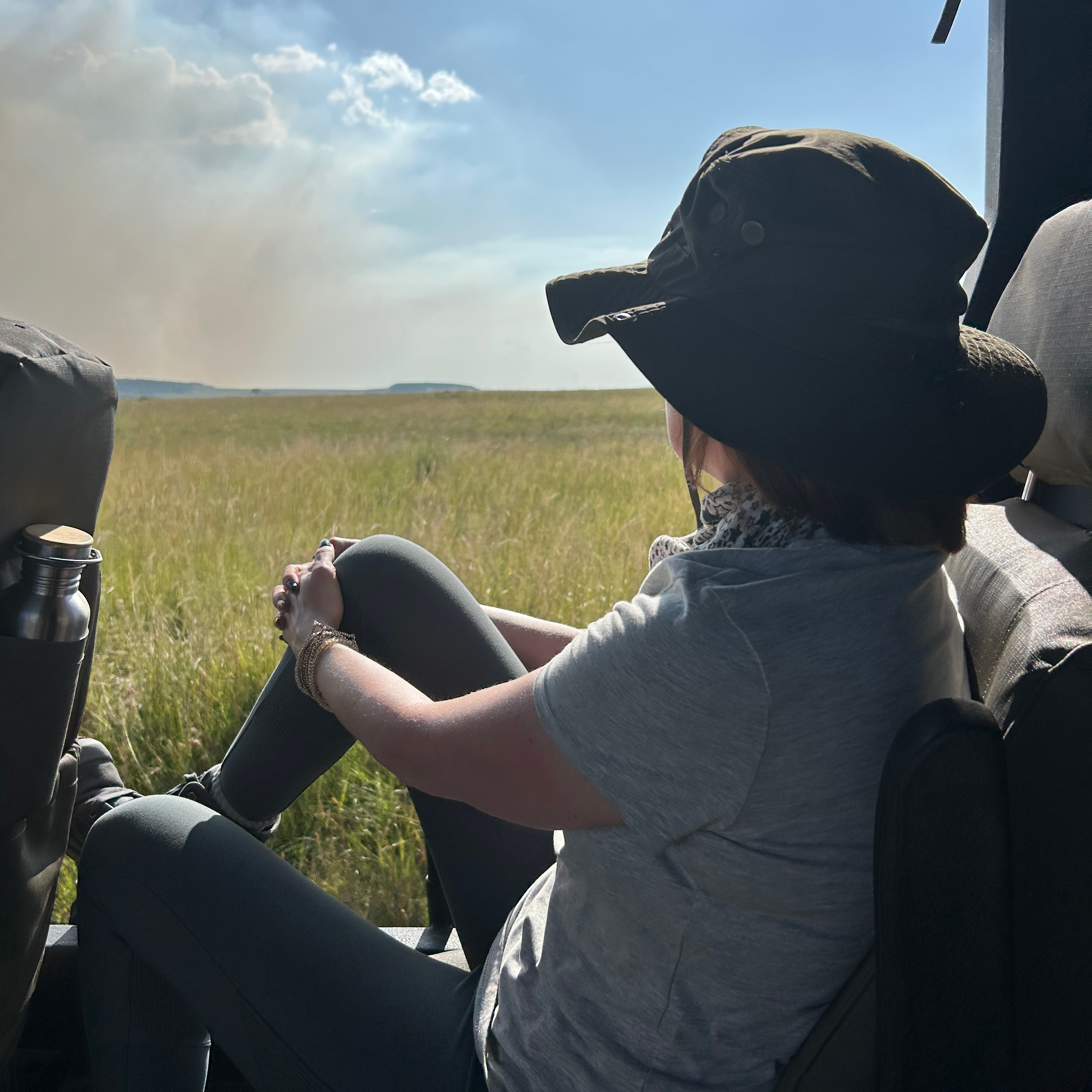
• A lightweight scarf or wrap: Great for keeping the sun off your neck and also useful as a cover-up if things get a bit dusty.
• A hat: An absolute must. Look for one with UV protection and a strap to keep it on your head. A lightweight one that you can squash into your luggage is ideal.
• Warm pyjamas: Similar to those early morning game drives, it can get cold at night, particularly in a tented camp. Some cosy pyjamas will help keep the chill away, along with the hot water bottle the staff will often put in your bed. One of my favourite little touches!
• Sun cream and insect repellent: Two obvious essentials, but worth mentioning. Make sure you have enough for the duration of your trip.
• A lightweight raincoat: Useful if you encounter a shower, but also handy for keeping the wind off you during those early morning drives.
• A couple of evening outfits: You're not heading to safari for the wild nightlife, but having a couple of pairs of lightweight trousers or shorts that work with your tops means you don't feel like you're wearing the same outfit every evening.
Charging equipment and batteries
Check what charging facilities your camp has. Some have limited charging points or specific charging times, so a multi-port USB charger can be useful if permitted. If you're taking camera equipment, remember to check the rules for spare lithium batteries and power banks. These generally need to be carried in your hand luggage rather than checked baggage, and terminals should be protected against short circuits. Airline and bush-flight restrictions can vary, so check before you travel.
Don't forget to pack for the unexpected!
This is something I learned the hard way on our first trip to Kenya.
We experienced a 24-hour delay, and it was the first time I'd ever thought to pack a spare change of clothes and some underwear in my hand luggage. I'm so glad I did!
It's easy to focus on getting everything into your main luggage, particularly when you're dealing with strict weight restrictions, but having a change of clothes, spare underwear, essential toiletries and any medication with you can make a huge difference if your checked luggage is delayed or your journey doesn't go to plan.
It's one of those things I wouldn't travel without now.
A few final things to check before you go
The most important thing I'd say is to check the luggage restrictions with your safari operator or camp before you start packing. Weight limits and bag requirements can vary depending on the aircraft and route, so don't assume the allowance will be the same for every bush flight.
Also check what charging facilities, toiletries and laundry services are available, knowing this can help save a little space and weight.
And if you're travelling with camera equipment like me, remember to factor that into your allowance from the start. It can make a big difference to how much space you have left!
Packing for a safari might seem a little daunting at first, but with a bit of planning (and perhaps a few compromises!), you'll get there.
And trust me, it's worth making room for the experience.
Your Holiday Starts Now
Why not chat to one of our experts!

Start your holiday now with a conversation with one of our Kenya Personal Travel Experts!
We'll call you back
Leave us your contact details and we will be in touch.
Newsletter Signup
More Articles About Kenya
-
Kenya Safari 2026
Kenya AdventureDay 1 | Arriving in Kenya & First Safari ExperiencesMy Kenya adventure began with a d -
Kenya Safari & Beach Escape
Kenya Safari & Beach Escape – My Incredible Journey with KuoniSome trips stay with you forever, an -

Kenya Highlights - the best time to go
by Jane Carty
The best time to go to Kenya is between the months of January - February and June - October. There