Discovering Tokyo: My first taste of Japan’s incredible capital
Discovering Tokyo: My first taste of Japan’s incredible capital
Tokyo had lived on my travel wish list for more than 20 years, so stepping off an overnight flight into the warm evening air of Japan’s capital felt surreal. After 14 hours of travelling, I arrived expecting exhaustion, but what greeted me instead were smiles, efficiency, and even singing security staff, not exactly the airport experience I’m used to!
As part of an eight-night educational trip around Japan with Inside Japan Tours, alongside nine of my Designer Travel colleagues, Tokyo would become both our introduction to the country and, fittingly, our final stop before heading home.
First Impressions: Tradition amongst the neon
Our first base was Asakusa, which proved to be the perfect introduction to Tokyo and a great option for first-time visitors to bed into the city. While many imagine Tokyo as a blur of neon lights and sensory overload, Asakusa offers something gentler - traditional streets, local restaurants and a slower pace that eases you into Japanese culture.
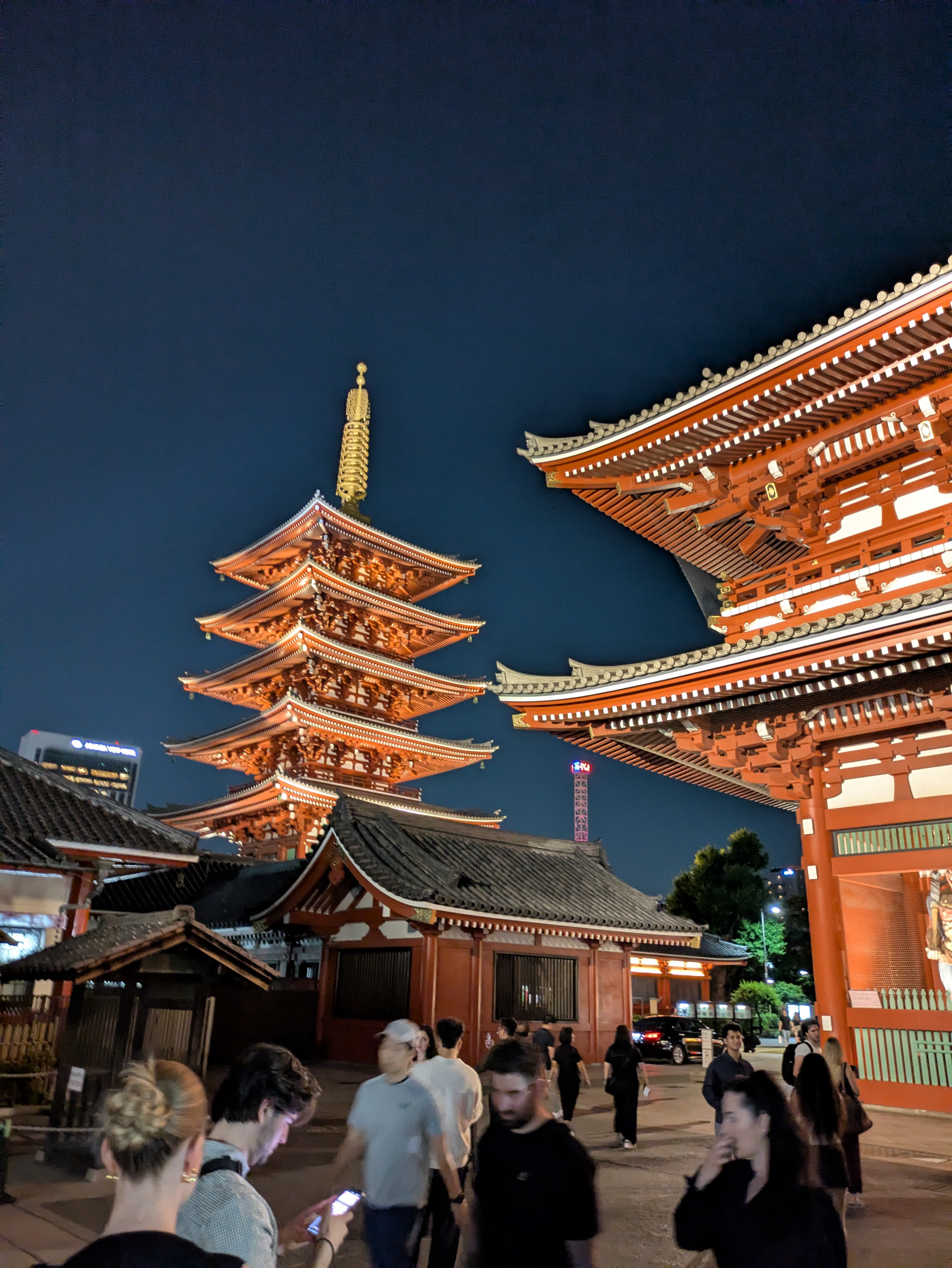
That first evening, despite battling jet lag, we headed to Senso-ji Temple. Walking beneath the famous Kaminarimon Gate, as lanterns glowed in the evening light immediately felt special. Tokyo is a city of contrasts, and nowhere does that better than Asakusa, with its ancient temples surrounded by one of the world’s most modern cities.
Fun fact: Senso-ji is Tokyo’s oldest temple, founded in 645 AD after two fishermen reportedly discovered a statue of Kannon, the Buddhist goddess of mercy, in the nearby Sumida River.
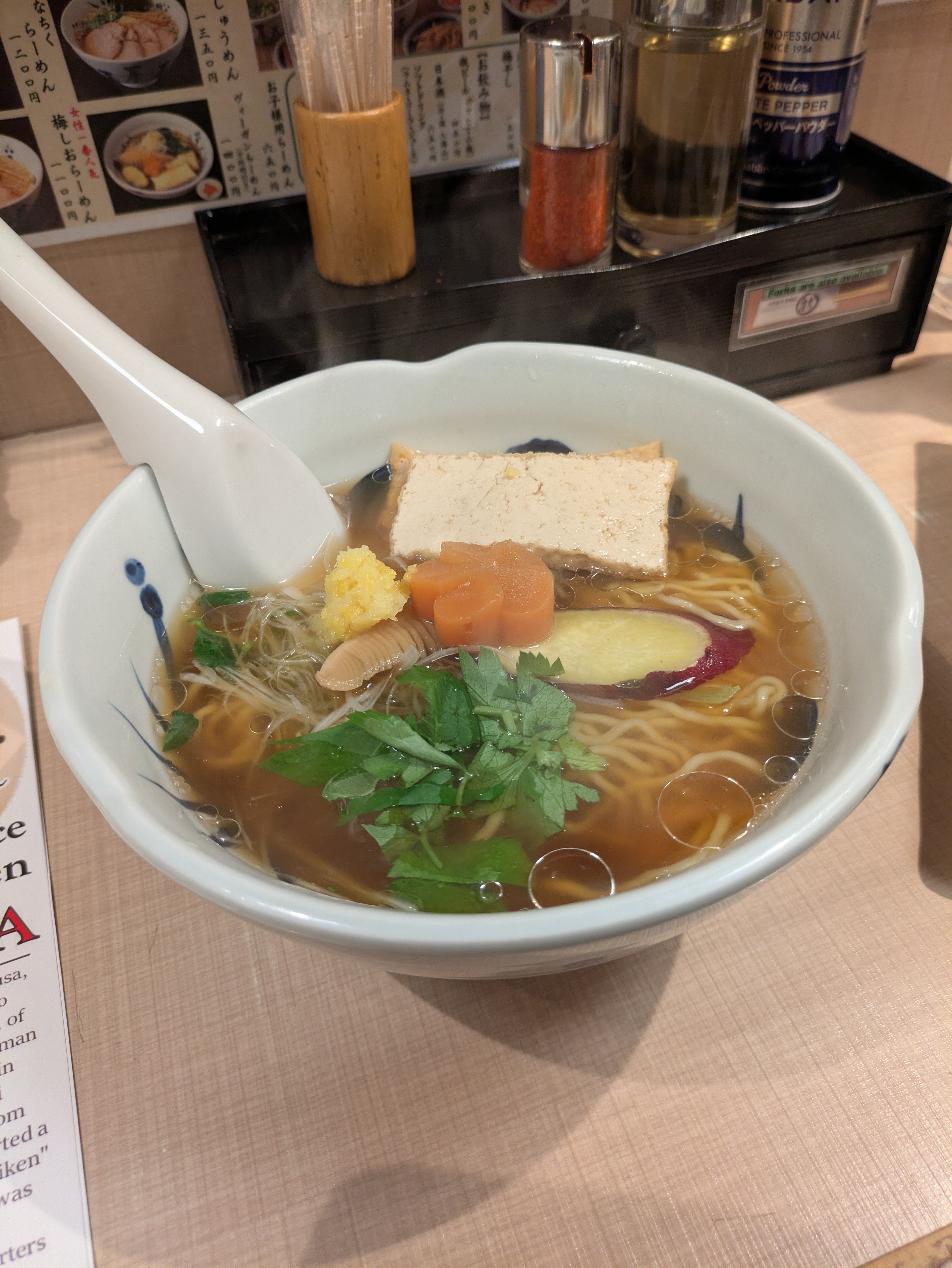
Dinner introduced us to one of Japan’s most comforting dishes: soy sauce ramen, which originated in Tokyo and remains one of the city’s culinary staples. Sitting in a small local restaurant, slurping noodles alongside commuters and travellers, felt like the perfect welcome.
Learning Tokyo like a local
One thing I always recommend when visiting somewhere completely new is starting with a guided tour, and Tokyo reinforced exactly why.
Our brilliant Insider Guide, Jeffrey, helped transform what could feel like an overwhelming city into one that suddenly made sense. We learned about Shinto beliefs, how to respectfully visit shrines, how to navigate the famously efficient subway system, and even discovered that every station seems to have its own melody playing, one of those charming details that makes Tokyo feel so unique. The stations are busy, but once you get the hang of the IC cards, it‘s not too bad to get to grips with directions as the signs are also helpfully in English.
Despite carrying a reputation for crowds and chaos, Tokyo surprised me. It’s busy, yes, but it rarely feels stressful. There’s a rhythm to the city that somehow works. One moment we were wandering through the peaceful gardens of Rikugien, escaping the city noise completely, and the next we were standing amongst the organised madness of Shibuya Crossing.
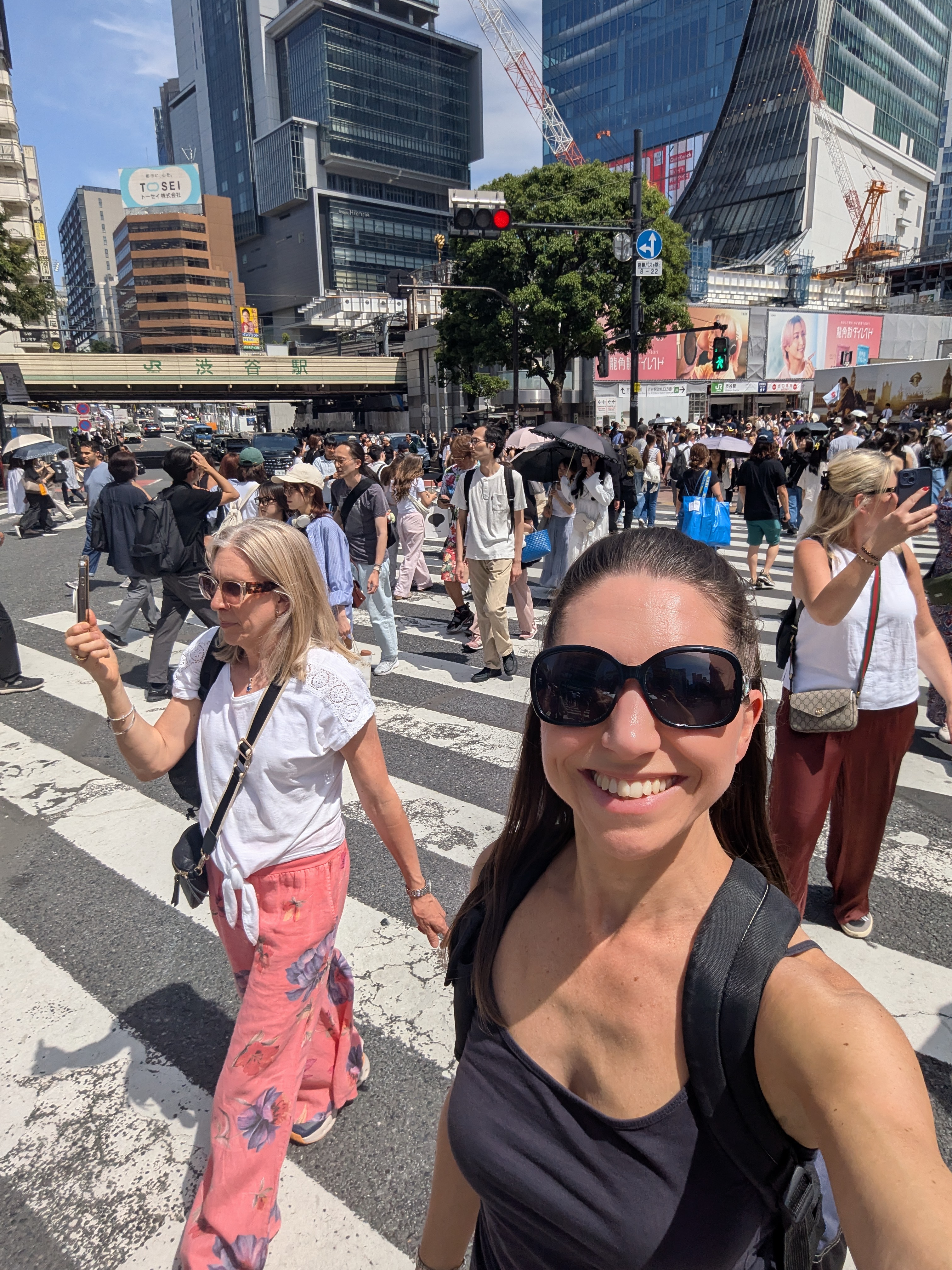
Crossing Shibuya for the first time is one of those classic Tokyo moments. Hundreds of people move in every direction, giant screens flash overhead, yet somehow everyone flows around each other perfectly. During peak periods, several thousand people can cross Shibuya Crossing during a single light cycle, making it one of the busiest pedestrian crossings in the world.
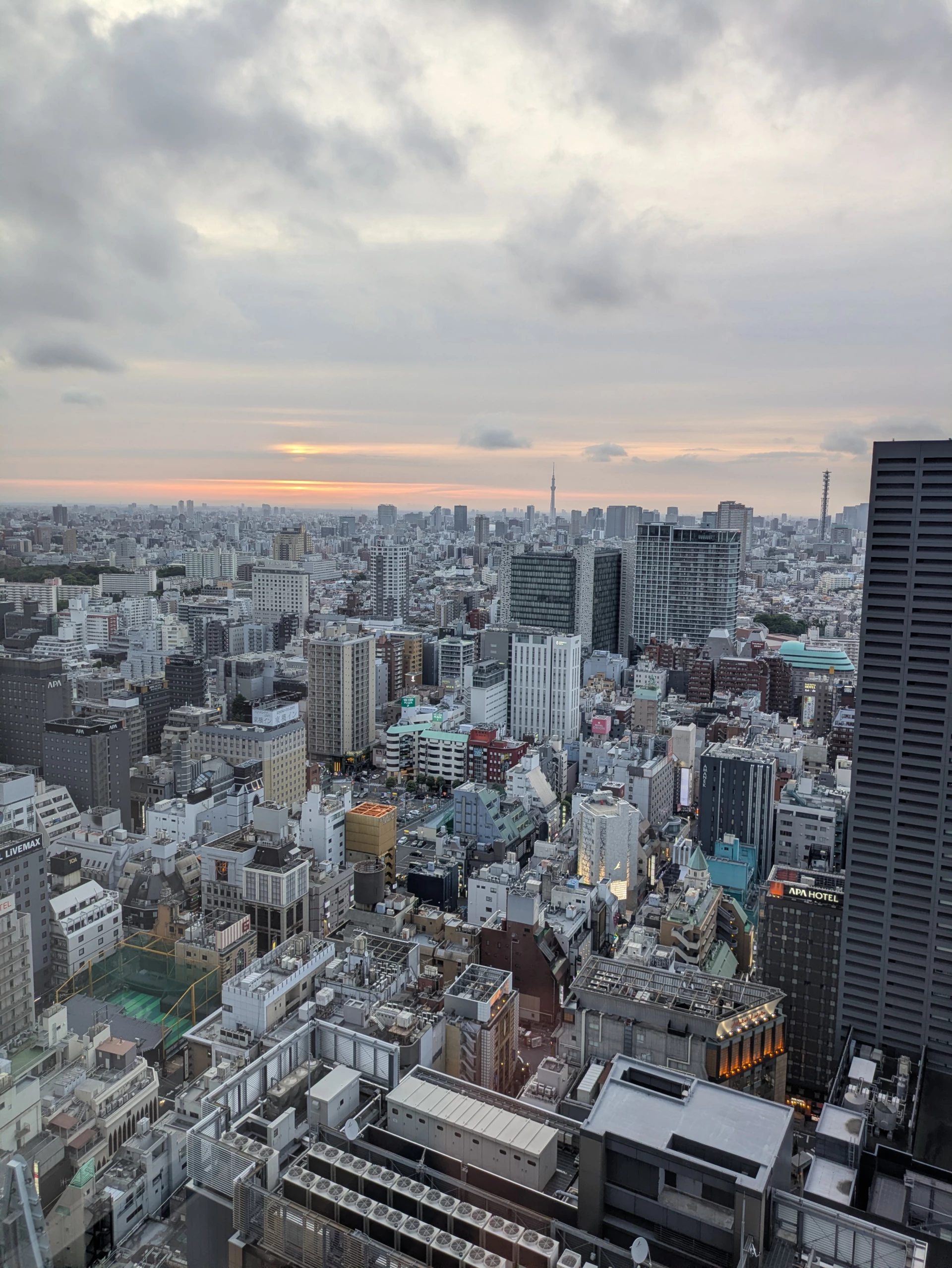
We then headed skyward to the aptly named Sky Tree, ascending 350 metres in just 50 seconds for sweeping city views. Looking out over the endless cityscape really drives home the scale of Tokyo, a metropolis of nearly 40 million people.
Dinner that evening was at Gonpachi, a restaurant famous for inspiring scenes from Kill Bill. Whether or not you’re a film fan, it’s one of those atmospheric places that makes dinner feel like an experience rather than simply a meal.
Returning to a different Tokyo
After five nights exploring other parts of Japan, we returned to Tokyo for our final evening, ng but this time we stayed in Shinjuku. The contrast between Asakusa and Shinjuku couldn’t have been clearer. Asakusa had introduced us gently. Shinjuku threw us straight into the Tokyo most people picture: towering buildings, flashing signs, crowds, music and endless energy. And, after a week in Japan, we were ready for it.
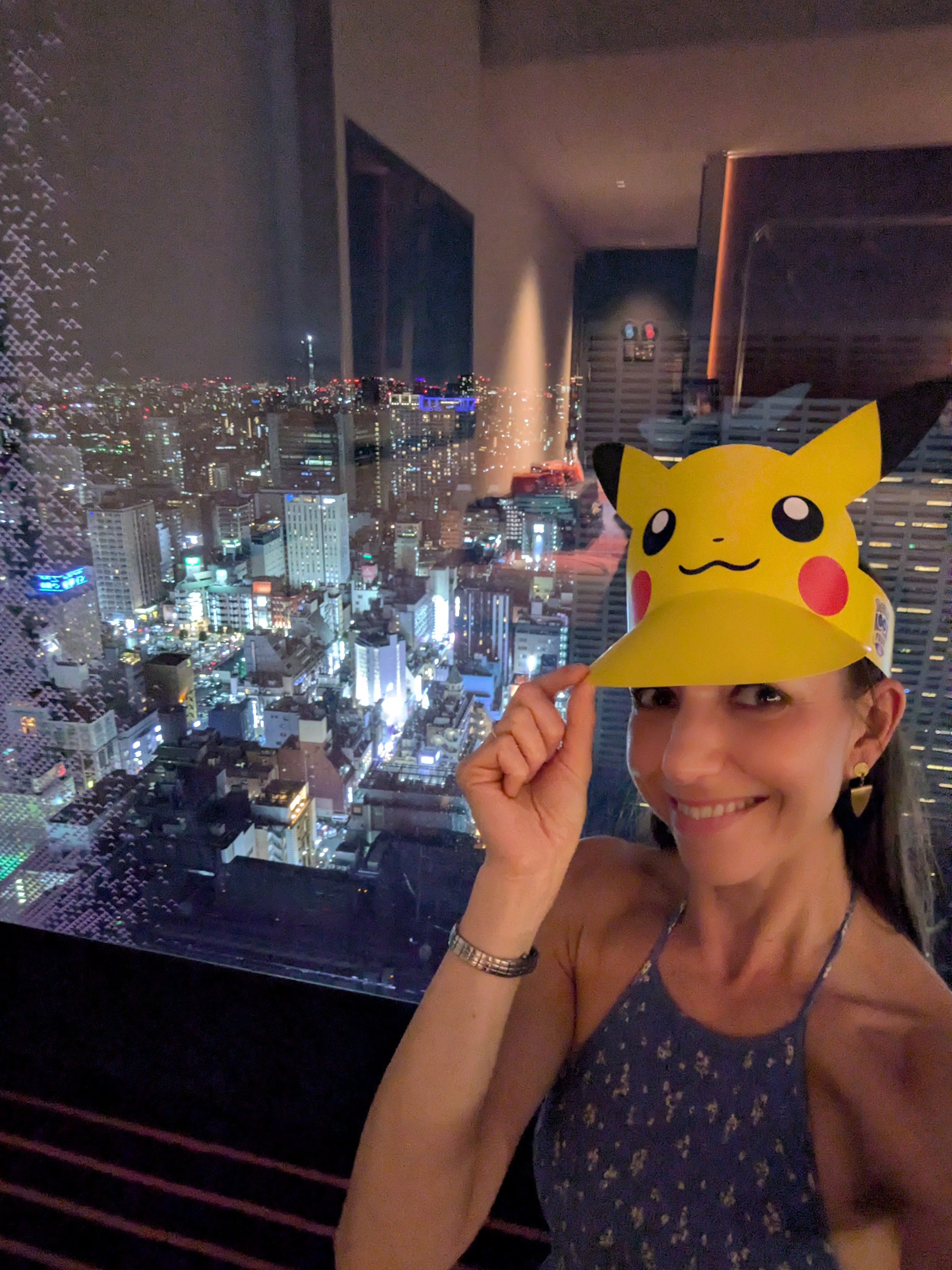
Checking into Hotel Groove in Shinjuku, I found myself staying on the 24th floor with floor-to-ceiling windows overlooking the city below. That evening, after our final dinner, I simply sat by the window looking out across Tokyo’s lights. It felt like the perfect place to reflect.
Over eight nig,hts we had visited five destinations, travelled extensively, experienced traditions old and new, eaten incredibly well and learned more than any guidebook could teach us.
Our final meal together, complete with sake, chopsticks and plenty of laughter, felt like the perfect ending.
No visit to Shinjuku would feel complete without wandering through Golden Gai, one of Tokyo’s most atmospheric corners. Tucked away amongst the bright lights and towering buildings are narrow alleyways lined with tiny bars, many only seating a handful of people at a time. Walking through its winding streets felt like stepping into a different era of Tokyo; lanterns glowing overhead, music spilling from doorways and locals and visitors squeezed together in intimate spaces.
What Tokyo taught me
Tokyo surprised me. I expected busy. I expected futuristic. I expected bright lights and fast trains. I got all of that, but what I didn’t expect was how calm it could feel. I didn’t expect peaceful gardens hidden among skyscrapers, neighbourhoods that each felt like different cities entirely, or just how welcoming people would be.
Most importantly, Tokyo reminded me why expert planning matters. Long-haul adventures like Japan require time, money and careful thought. When travelling so far, you want to maximise every moment, avoid costly mistakes and experience places you might otherwise miss.
This trip may have lasted eight nights, but Tokyo left an impression that will last far longer. And after dreaming about visiting for more than two decades, it somehow exceeded expectations. It made me let go, try new experiences and walk around town with a Pikachu hat on! I may have returned having committed many fashion faux pas whilst there,e but I learned not to care and embrace the unusual.
Thinking about Japan? I’d love to help you plan your own adventure!
Your Holiday Starts Now
Why not chat to one of our experts!

Start your holiday now with a conversation with one of our Japan Personal Travel Experts!
We'll call you back
Leave us your contact details and we will be in touch.
Newsletter Signup
More Articles About Japan
-
Japan Insider Experiences, Hidden Gems & Travel Inspiration
by Kim Prince
From Ancient Temples to Neon Skylines: Exploring Japan’s Many FacesWe flew with ANA, and I was rea -
Japan’s Hidden Corners: Kinosaki Onsen, Inuyama & Nagoya
by Toni Sharp
Japan is full of blockbuster destinations: Tokyo’s neon, Kyoto’s temples, Osaka’s energy...... -
_1782136561_1782385254/WhatsApp_20Image_202026-05-28_20at_2014.17.39_20(3)_1782136561_1782385254_400.webp)
Top Tips for First time travellers to Japan
by Di Victory
Top Tips for Visiting Japan: Everything You Need to Know Before You GoJapan is one of the most fasci -
Why Japan Should Be Your Next Adventure: My Journey with InsideJapan
As a travel agent, I‘m fortunate enough to explore destinations firsthand, and my recent journey t -
A Day in Kyoto: Torii Gates, quiet corners & the magic behind the scenes
by Toni Sharp
Kyoto has a way of settling into your soul. It’s elegant without trying, steeped in history yet ef
My Articles
-
Japan’s Hidden Corners: Kinosaki Onsen, Inuyama & Nagoya
by Toni Sharp
Japan is full of blockbuster destinations: Tokyo’s neon, Kyoto’s temples, Osaka’s energy...... -
A Day in Kyoto: Torii Gates, quiet corners & the magic behind the scenes
by Toni Sharp
Kyoto has a way of settling into your soul. It’s elegant without trying, steeped in history yet ef -
Osaka: Japan’s bold and brilliant foodie capital
by Toni Sharp
If Tokyo felt polished and organised, Osaka arrived with far more volume.Our morning started with on -
Pousada Literaria Paraty: Where sustainability is part of the story
by Toni Sharp
Staying at Pousada Literária in Paraty feels less like checking into a hotel and more like being we -

Chobe Game Lodge: A Sustainable Safari in Botswana
by Toni Sharp
Chobe Game Lodge, nestled on the banks of the majestic Chobe River in northern Botswana, offers trav -
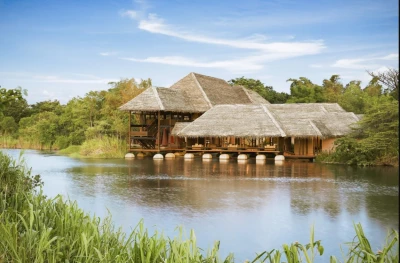
Jetwing Vil Uyana, Sri Lanka: One of the World’s Most Inspiring Eco Hotels
by Toni Sharp
When it comes to eco luxury travel, few properties anywhere in the world tell a story as powerful as